lifestyle
El Paso Residents Transform Gardens Using Climate-Adapted Growing Tips
Residents can adapt their home gardens to the local climate with these evidence-based tips.
How we reported this
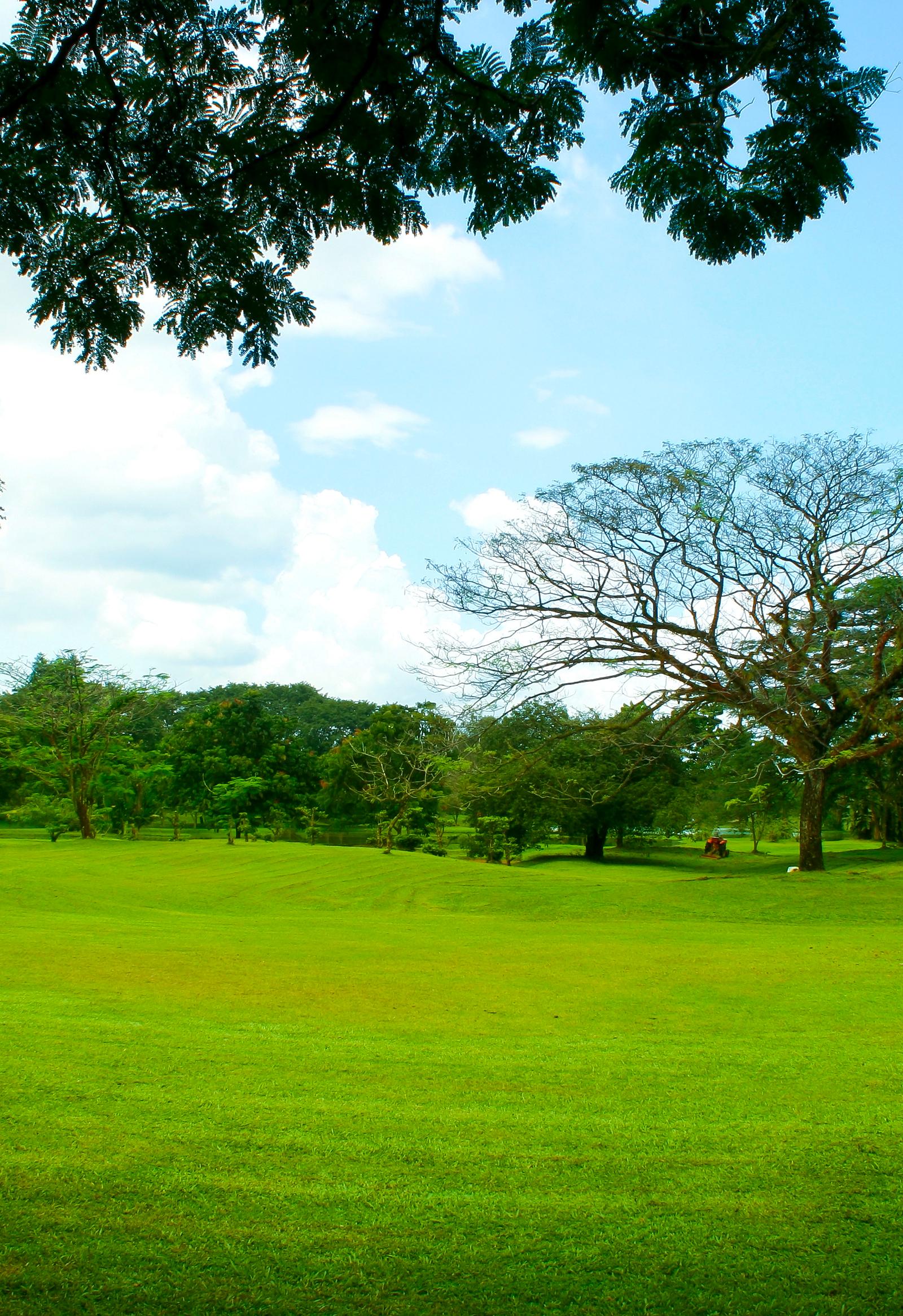
El Paso has a desert climate with only 9.43 inches of average yearly rainfall, 84% sunny days, and a growing season from April to early November. These conditions shape every decision about watering, planting and maintenance for local yards.
Water Conservation Practices
Water conservation is critical. Residents should water early morning or late evening and avoid watering between 10 a.m. and 6 p.m. in summer. They must also follow the city's odd/even schedule and skip watering on Mondays. Overwatering in winter is common and harmful; El Paso yards need zero supplemental water from November through February due to the 9-inch annual rainfall falling mostly in summer.
Choosing the Right Plants
Multiply use native, drought-tolerant plants like rosemary, thyme, yucca, cacti, and salvia. Apply mulch such as wood chips or gravel to retain moisture and cool roots. These choices match the low rainfall and high sun exposure that define the region.
Summer Gardening in July
In July, plant heat-loving flowers and vegetables including okra, sweet potatoes, cannas and dahlias. Apply mulch around heat-sensitive plants and use shade cloth for tomatoes. Avoid pruning fruit trees during this period to protect plant health amid the intense summer conditions.
Winter Watering Considerations
From November through February, the same low rainfall pattern means yards require no extra water. This approach prevents the common mistake of overwatering that can damage roots during the cooler months.
These steps allow residents to maintain productive gardens while respecting the measured rainfall totals and sunny days recorded for the area. Following the seasonal schedule and plant selections supports steady growth from the April start of the growing season through early November without unnecessary resource use.